
Programs
Reducing agricultural methane is one of the fastest and most effective ways to protect food supplies and fight climate change.
The challenge:
Forage quality and quantity determine milk and meat output, but fluctuating pasture availability negatively affects productivity and livelihoods while increasing methane emissions.
Breakthrough developments:
Optimizing grazing based on reliable estimates of pasture biomass offers a win-win solution. The Time2Graze project is developing remote sensing and decision-support tools that provide near-real-time insights on pasture availability to farmers.
The challenge:
Around a third of methane emissions are a natural byproduct of livestock digestion. Ensuring animals receive appropriate feed and nutrition can reduce methane generated from digestive processes.
Breakthrough developments:
The Feed Ration Optimization Tool project is improving livestock nutrition through data-informed decision-support feeding systems that help farmers to increase animal productivity, reduce costs and methane emissions.
The challenge:
Rice farming accounts for up to 8% of global methane emissions but limited reliable data prevents the development of effective, targeted interventions.
Breakthrough developments:
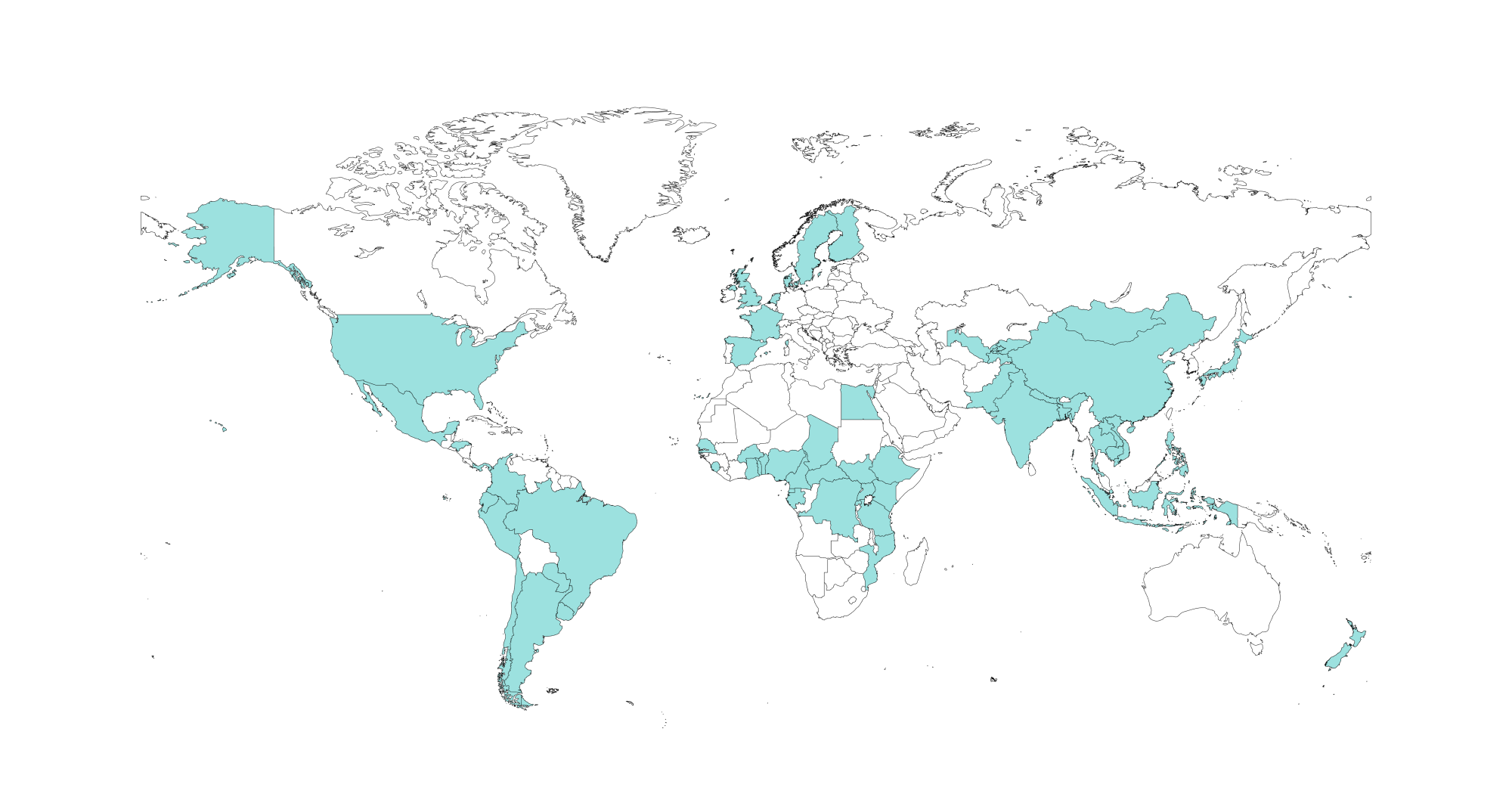
GMH’s grants support improved monitoring, reporting and verification (MRV) of emissions. These data systems support methane reduction efforts in Africa, Asia and Latin America using technologies such as satellite imagery and machine learning to track and address emissions.
The challenge:
Promising solutions for agricultural methane emissions need funding and supportive policies to scale quickly enough to address the climate challenge.
Breakthrough developments:
The International Fund for Agricultural Development (IFAD) and the World Bank are supporting policy, program and project development to help countries integrate livestock and rice methane reduction strategies into Nationally Determined Contributions and food system policies.
The challenge:
Livestock produce roughly 30% of human-caused methane, while rice cultivation contributes 8%. Reducing methane emissions from these key sectors will safeguard their sustainability.
Breakthrough developments:
The Dairy Methane Action Alliance and the Rice Methane Action Alliance are providing guidance, transparency frameworks and best practices to help companies measure emissions, set reduction goals and develop action plans.
Livestock produce around 30% of human-caused methane through a digestive process called enteric fermentation.
The Global Methane Hub’s Enteric Fermentation R&D Accelerator works to fund the development of breakthrough technologies that are practical and accessible for farmers worldwide, helping to reduce emissions across diverse livestock systems.
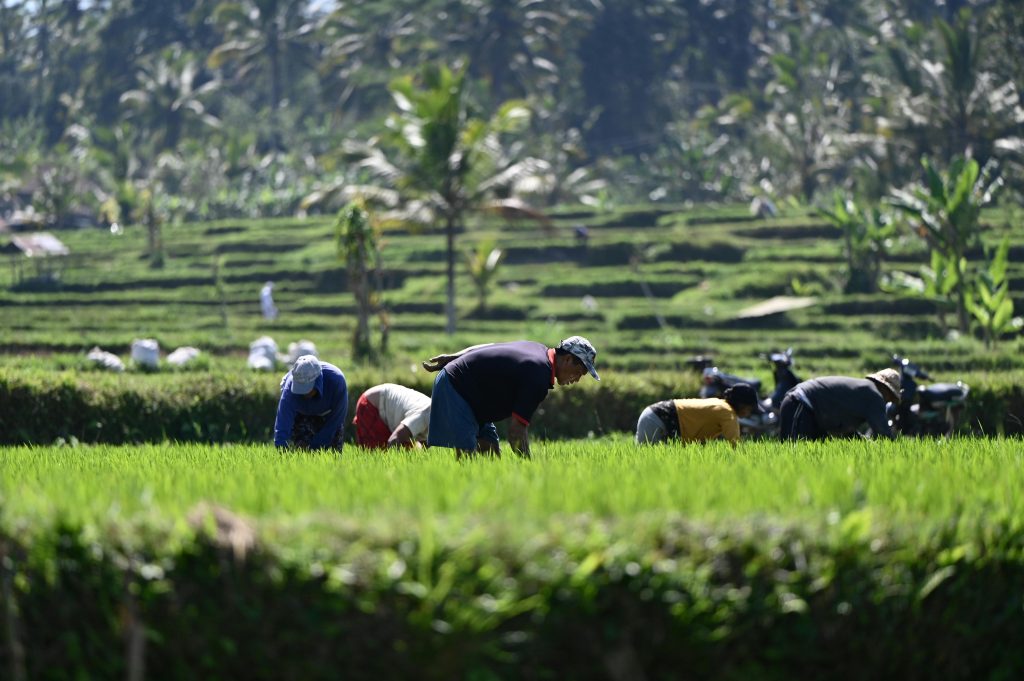
Rice is a staple food for more than half of the world’s population, making it essential to food security. At the same time, the crop contributes up to 20% of agricultural methane emissions.
The Rice Methane Innovation Accelerator is advancing the development of viable rice methane mitigation options that are good for farmers, good for communities and easy to scale.